
"Human/Nature" by Ariana Johns
Human/nature
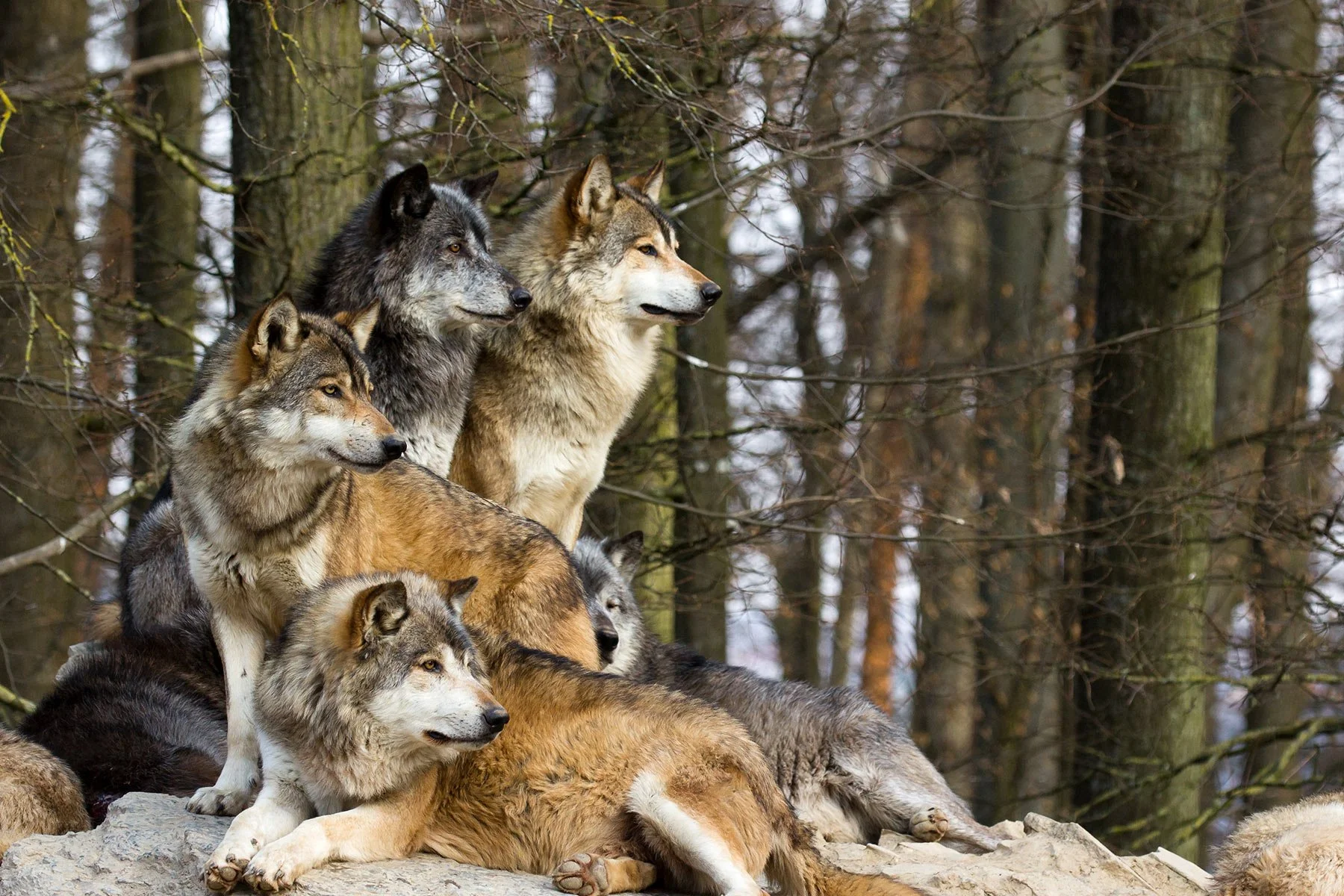
“Would you please sign my petition to save the wolves?” I passed the slice of notebook paper (the third one to be completed!) around the classroom, gathering signatures in my effort to stop yet another barbaric slaughter of animals. I was in the fifth grade, and my English teacher, Miss Connoly, fully supported my efforts—she was Black, close to six feet tall (my dad was 6’2”, and she was nearly his height) and she wore mini-skirts with white vinyl knee high boots that I absolutely coveted. I wanted to be like her—wild, vibrant and outspoken. Sometimes she’d let me stay after class so she could help with my petitions, encouraging my nascent activism. We’d talk about the awful and unjust ways that humans treated animals. Once I brought in a flyer that was handed to me on the street by Adam Purple, a prominent if over-the-top eccentric Village character, renowned for his extreme vegan activism. It depicted a fluffy white baby seal with enormous wet brown eyes, and next to it, a photo of men in parkas clubbing the babies over the head as their mothers howled and blood spread on the snow.
“This can’t be real, is it? How could he hand me something like this?” I asked, tears brimming. Miss Connoly made herself look at it and pulled a couple of tissues from her beaded purse, passing one to me.
“It is, Ariana. It’s real—I saw a short documentary about it. I’m so sorry.”
“But how could they? I mean, what for? And why like that?”
“They say it’s their livelihood, it’s what these men have done for generations. And they say they can’t shoot them because it would ruin the fur.”
“But—”
“I know, but it’s good that this is getting out, even though it’s so horrible. We can’t let ourselves look away, not if it’s wrong. We need to speak up. They’re already banning this fur in Europe.” She hugged me and pointed to the flyer. “There’s an address on here where we can write. I’ll help you compose a petition.” She dabbed under my eyes with her bejeweled thumbs, her scent warm and spicy. “Now get outside and play! Keep all this in your back pocket, don’t make it your focus. You’re still a kid, you know.” I ran outside to catch the last of recess, the cool Autumn air delighting my senses as I dashed to my friends in the cement fenced-in yard.
At home that night, as I looked through the information I’d collected about the seals, wolves, lynx—beautiful creatures that had done absolutely nothing wrong, I came to understand the deceptive glamour of luxurious fur coats. My fantasy of the future—gaily laughing with my movie-star friends while in my big Blackglama mink coat, martini in one hand, Virginia Slims cigarette in my other—came crashing down. Life was becoming complicated—like when I learned that my prized blue rabbit’s foot keychain was an actual rabbit’s foot (!), lamb chops came from real lambs, and Wilbur from ‘Charlotte’s Web’ was the main ingredient of what had once been my delicious bacon and butter sandwich. At least in the latter cases, the animals were used as food, but to brutally kill our fellow mammals for frivolous decoration? It wasn’t right, and I felt a desperate need to do something. I longed to be more active in my activism. As Miss Connoly frequently told our class, “If it’s not right, get out there and fix it!”
So when a section of Seventh Avenue was to be renamed Fashion Avenue, and there was a sponsorship of this name change by the fur industry, I asked my mom to take me to the protest that was being organized by Friends of Animals, a grass-roots activism group that I’d saved my allowance money to join. We gathered a stack of magazines, and she helped me cut out pictures of wild animals, fur coats and fashion models, to create a montage around the ‘Real people wear FAKE fur!’ slogan at the center of the two signs that we’d carry at the protest—drawn by me in bold Cray-Pas lettering, then sprayed with a coat of Aqua-Net to keep the words from smudging.
“This one’s nice,” mom said, passing me a picture of a peacock, feathers fanned in a resplendent display of male swagger.
“Yeah, but it’s a bird. Not a mammal, so it doesn’t have fur. And besides, they shed their feathers, it doesn’t hurt them.” I really hoped that was true, because they were so beautiful, and I had three of them in my room. “And they have to be wild animals, not cats or dogs, that’s a whole other issue.” Eventually we managed to make two large, colorful signs, and the following morning, we joined the small group of demonstrators.
Shortly after we had arrived, a burly, mustachioed guy in an unlikely pinstripe designer suit aggressively approached my mom and me and yelled, “Whadda’ ya’ think your shoes are made of?!” Mom pulled me close, but before she could respond, I looked up into his fierce eyes.
“Canvas.” I replied, lifting my Keds-encased foot toward him as he spat on the sidewalk and stomped off, Mom gripping my shoulders tightly as I trembled.
In the late 60’s, the phrase “Question authority” had become a sort of rallying call for people who were against the Vietnam war—my dad had even painted it across the front of our refrigerator, in a rainbow of bright acrylics, to the dismay of my mom, who agreed with the sentiment but was constantly fighting a losing battle against my dad’s artistic impulses. When I was six years old, my mom took me with her to Washington DC for a march to protest the war. It was a big adventure, riding a bus and singing my own version of Beatles songs. Turned out that half a million people showed up for the rally— chanting for a peaceful end to the war and singing ‘Give Peace a Chance’. Me, I was thrilled to be along for the ride, to talk to friendly strangers, eat lots of candy, and get tips on tie-dye. The protest had remained peaceful to the end, despite then-Vice President Agnew’s claim that the crowds were “comprised entirely of hard-core dissidents and professional anarchists.” I didn’t know what the words all meant, but it sounded cool. Mom told me that Nixon claimed to be backed by the ‘silent majority’—which made me proud to be in the ‘singing minority.’
After the rally, when we returned to our buses to go home, we found that they’d been tear-gassed, forcing everyone to somehow find accommodations for the night, while the vehicles aired out. I was shattered. The next day was my birthday party, and we had to postpone it! My comprehension at that age was of the injustice around the spiteful act of chaos with the buses, more than of the war itself, which was an enigma to my young mind, comprised of a seemingly endless stream of televised black and white coffins returning from a distant land as names were read aloud and young men were continuously sent away to be killed.
By the time fifth grade was coming to a close, Miss Connoly had let her hair grow into a full afro, and she didn’t meet me after class as often. She’d joined a Black power group that she wasn’t allowed to talk about at school. After I’d badgered her into finally having one of our after-class meetings, she explained what she could about her own activism, how she had to stand up for herself and all the Black people who were being oppressed. “Bullied,” she clarified.
“I know what oppressed means, but… we’re in New York City. It’s not like the South, right? Cause I saw To Kill a Mockingbird, and I asked my parents and they told me about the Ku Klux Klan, but that’s not here, right?” At P.S.41 in the early 70’s, I was used to having classmates of all different colors, religions—and gay men were a part of my daily life, Phil and Alex having been my de facto “uncles”/babysitters.
“It’s not that simple!” Miss Connoly looked away, fists clenched as I shrunk into my seat. “I’m sorry, Sweetie, you can’t understand, you just can’t. This isn’t your fight. You keep on fighting for what you believe in…but maybe include us humans in your activism too.”
“Well yeah, of course!” She opened her arms and I lunged at her with a hug. I wanted to fix things, like I tried to do at home when my parents fought, but I knew this was too big for me. Martin Luther King had been a great leader for civil rights, and now there were new, rougher leaders who seemed kind of scary—but then nothing was scarier than grown men in sheets carrying crosses, and I was crushed that Miss Connoly had to even think about those kinds of things.
A week before school ended, Miss Connoly didn’t come to class. For several days. We were told that she had a ‘family emergency’, but that didn’t seem right, and I made my mom go talk to the principal. She returned with a pint of coffee ice cream, my favorite, but something was off.
“What happened?” I pushed the bowl of ice cream aside, my blood icy with fear.
“Your Miss Connoly, I know how much you admire her, but she’s…she’s not coming back to school.” Seeing my horror, she continued, “She’s okay, I mean she’s not hurt, but she’s joined a dangerous organization, and—”
“She’s okay? Oh man, you scared me. What organization?”
“They’re called the Black Panthers—”
“Oh, cool!” She looked baffled, and I grabbed my ice cream. “That sounds perfect for her. And panthers may be dangerous, but they’re nowhere near as bad as the hunters.”
Ariana Johns is the Producing Artistic Director of Vampingo Productions—theatre, salons, cabaret and short films. She recently completed her memoir-in-stories, Portable Strangers: Growing up in Greenwich Village and the Theatre, and her poetry and short stories have been published in several literary journals, including the anthology Descent Before Rising, the inaugural issue of The Tiffinbox Review, Thirst for Fire, Samsara and more. She’s currently producing a salon series of new writing, for which she’s earned a NYFA grant. Her musicals Glamour and Grit and BUZZ, Son of a Bee, were part of the Climate Change Theatre Festival. vampingoproductions.com.
Instagram/Threads: @vampingo